Turning places into pages
This is a blog-friendly version of the workshop I ran for The European Writers Salon’s Madrid salon — Writing From and About Madrid. If you’re looking for a writing community, you can’t go wrong with EWS!
It feels quite high school English class to dedicate a whole discussion to setting. Before you know it, we’ll be talking about how the moors in Wuthering Heights symbolises the wildness of Heathcliff, etc.
But get the setting wrong, and stories become less immersive and suffer from white room syndrome. Characters are hovering in space, making it harder for readers to picture the scene. And when they’re not in the scene with your characters, it’s harder to feel what they feel. And it’s also one of my favourite topics, and something I’ll always advocate for in novel writing.
Not every story requires reams and reams of intricate description. I think of the plays put on at the National Theatre in London, with sparsely decorated stages and just the bare minimum of props. But every prop or item of stage dressing was put there for a reason. Great, effective setting can still be done with the lightest of touches.
So let’s think about how best to use setting for:
Creating an immersive escape
Revealing character and establishing a stronger POV
Exploring your theme or making a statement
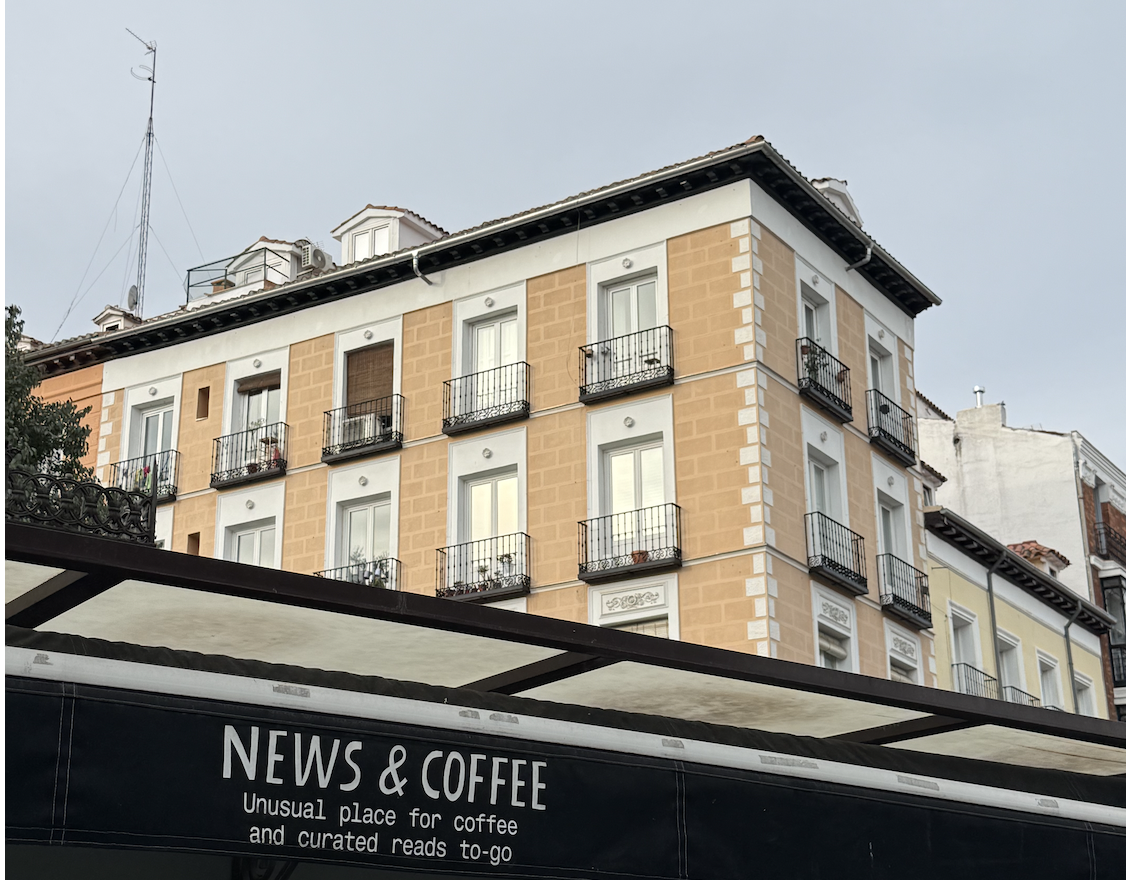
Setting as escape:
There are some books we pick up, or keep going back to, because we want to live in the world of the story. When I want to be elsewhere, I can never resist Andre Aciman’s northern Italy in Call Me by Your Name. Or for Becky Chambers’ quirky galactic society in The Long Way to a Small Angry Planet, for when Earth itself feels like too much!
Some call it armchair travelling, but immersion isn’t just about escape. In horror and thriller writing, setting is key to creating a sense of unease, discomfort, or tension. Historical fiction writers usually spend just as much time researching as they do writing (oftentimes more!) because the joy of the work is creating a portal to another time and place.
Specific details are the key to creating a lived-in world. Give me the sound of the bubbles popping from an extra fizzy Fanta lemon on a Spanish beach. Give me the taste of a sweaty top lip, salt and just a hint of sun lotion. Give me the unexpected ouch of rolling over a bit of bark from a nearby palm tree.
Don’t just give the reader details they’re expecting. Maybe the person sitting next to your characters on that Spanish beach are blasting K-pop from a portable speaker. Surprising the reader can help draw them further into the story.
But how much description is too much? Sometimes, to be immersive, writers decide that more is more. Give the reader a wall of text describing exactly what the fantasy tavern, haunted house, or billionaire’s yacht looks like, and they’ll be right there with you.
When you walk into a room, how often do you stand in the doorway and take in every detail, working through the five senses in order before getting on with your day? You probably don’t and your character/narrator probably shouldn’t either. Unless your intention is to slow the pace waaaaaaaay down. Again, every rule can be broken.
Having the setting be introduced through interaction with your characters is a great way to make it more dynamic, and make it a real space for your story to take place in, rather than a mini-lecture on What This Living Room Looks Like. Don’t just tell the reader what kind of chairs your reader has. Have them sit in one, squirming against the hard wood against their back. Why does your character have uncomfortable chairs? Can they not afford anything better, or are they just masochistic? Now you’ve got questions, and questions are what keeps readers reading.
Setting to reveal character
In cinema, a film might open with a panoramic city shot to establish location. But when the camera zooms in, imagine that it lands on a quaint little bookshop for the start of a romance, where our heroine has her fingers trailing along spines of the love stories she desperately yearns for in real life? Is it a secondhand bookshop, creating a sense of nostalgia and comfort? Or is it a fancy bookshop that sells tote bags with its logo on, setting us up for a searing take on modern life/dating?
Maybe we’re zooming in on the interior of a highrise, where our heroine stands in the window overlooking the city, a cup of black Americano in hand. Is she looking down on her ant-like colleagues below as they scurry to get in on time, ‘ant-like’ and ‘scurry’ making our narrator sound like Patrick Bateman? Or is she looking out at the fluffy clouds on the horizon and the way the light bounces off of the river, her edges softened by her daydreaming?
Using setting to reveal character is particularly useful in multi-POV stories, and can help establish distinctive voices. Character A who loves their job might talk about the smell of the coffee machine in the morning, and describe the room as bright and airy. Character B who hates their job might describe the exact same office building as cold, the brightness leaving them feeling exposed. Maybe all they smell is the leftover soup someone decided to microwave in the shared kitchen.
Resist the urge to shy away from setting description because you think it slows the pace down, or that it’s just nice set dressing. It’s amazing what just a few extra sentences can achieve for your characterisation.
Setting as a character
Cue the Sex and the City theme music!
Have you ever travelled somewhere and thought to yourself, ‘Oh, I have to write about this place?’ Sometimes the setting is the whole point, and the story couldn’t have taken place anywhere else. Like Oisín McKenna’s Evenings and Weekends, which takes place in London in 2019 during a record-breaking heatwave. The setting allows McKenna to explore political upheavel, climate anxiety, the housing crisis, and other intricacies of modern life and how they impact modern relationships. Take the characters and plant them in a tiny village in the South of France, and suddenly a lot has to change.
This is arguably the trickiest way to use setting, because readers aren’t as invested in places as they are in people. The more you pull the focus onto the place you’re story is happening in and not the story itself, the more likely you are to lose people. But do it well, and you can create something memorable as well as immersive.
To get it right, make sure your setting and characters are working together to tell your story, not telling two separate stories. Think of Where the Crawdads Sing. The protagonist Kya, known as Marsh Girl, is practically raised by nature after being abandoned by her parents. Through her interactions with it, she becomes the woman she is by the end. It feeds her, gives her a place to hide, and ultimately leads to her career.
When your setting interacts with your characters and directly leads to their growth, or their destruction, it becomes something worth your readers’ attention. And just like that, your setting becomes a character in its own right.
Make your setting pop
Want to bring your setting to life? Check out my friendly editing services, or book a consultation call
